

Intrepid Camp Gear ITX Case Review: Is This The Best Cargo Box for Overlanding?
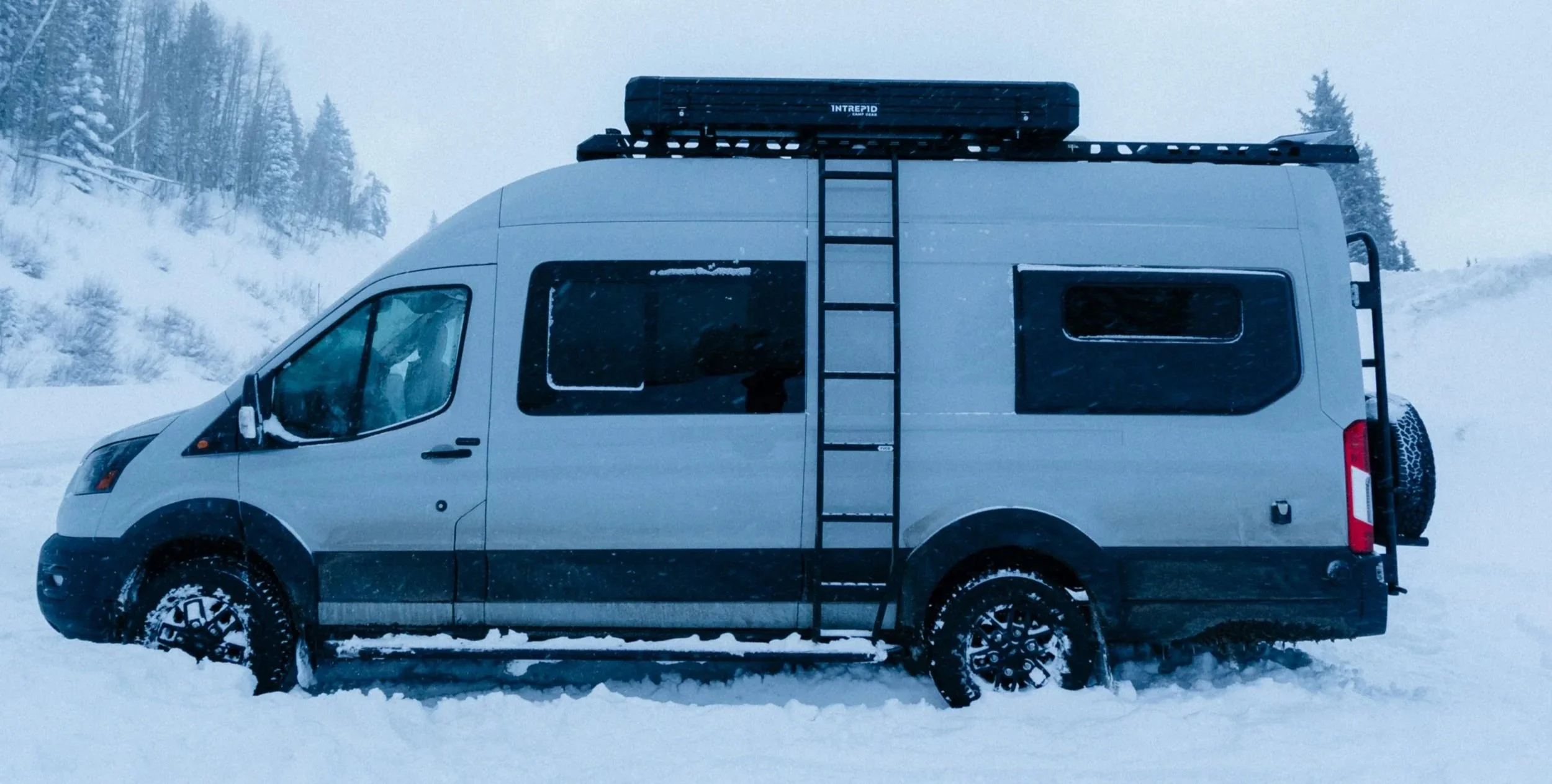
Anyone who has driven a rough road with a full load of gear knows it can get squirrely quickly. Soft-sided bags shift around, cheap plastic totes can crack, and whatever is strapped to the roof rack always feels a little sketchy. At White River Overland, we carry the Intrepid Camp Gear ITX cargo boxes specifically because they hold up to that kind of use and abuse and are one of the best upgrades for your overland vehicle. After a year or so of selling and installing these boxes for our clients, we wanted to put together an honest breakdown of what makes them worth considering if you’re into overlanding and secure organization.
What are ITX Cargo Boxes?
The ITX line is an aluminum hard-shell roof box, and it's built for off-road use rather than the smooth-highway family road trips most roof boxes are designed for. That's an important distinction. A box made for a paved commute to the ski resort and a box made for backcountry roads are solving two very different problems, and it's obvious Intrepid is geared much more towards overland use. There is nothing wrong with premium plastic cargo boxes like the Thule Force, but if you’re looking for a box specifically for overlanding, these are designed with that in mind.
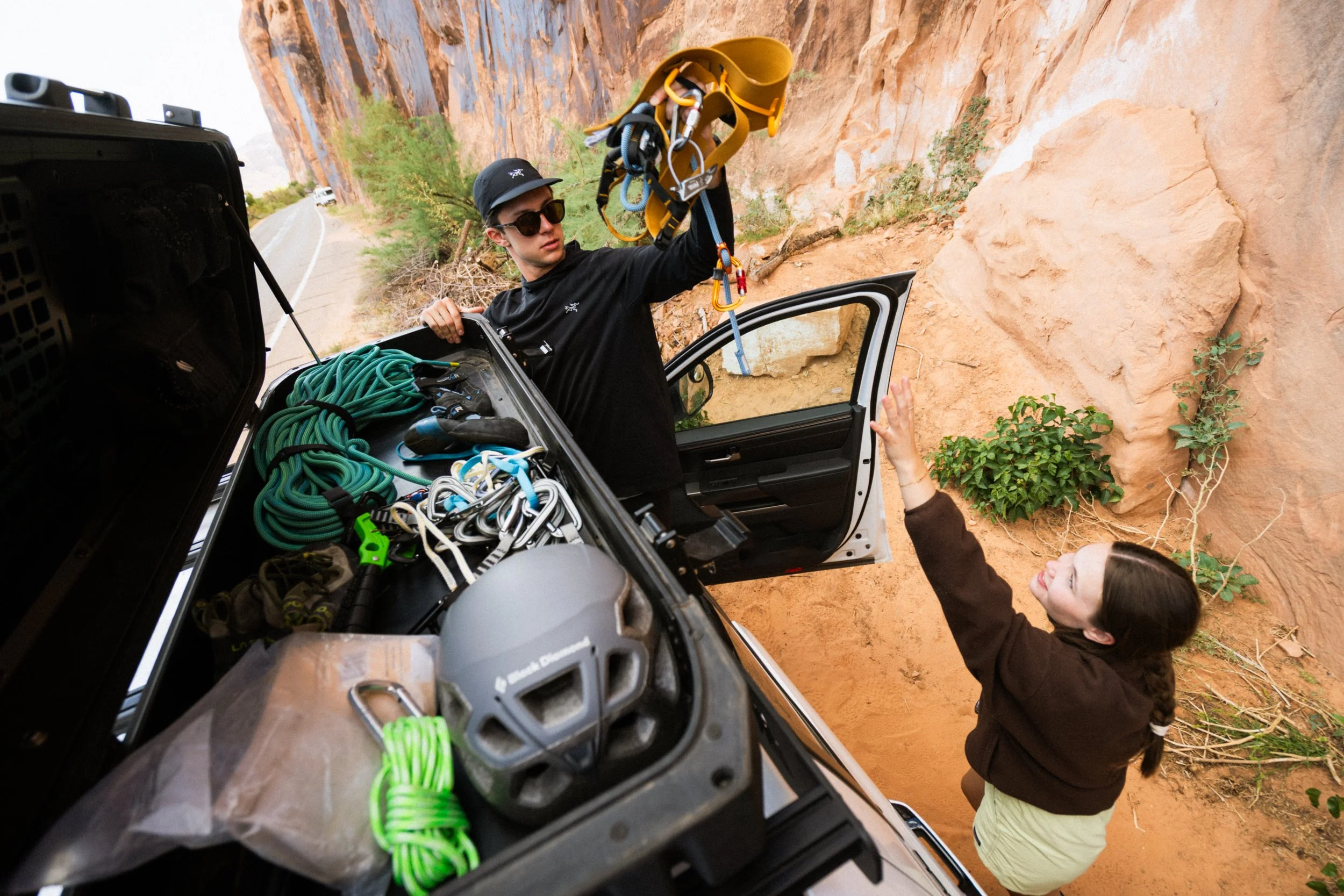
These boxes appeal to overlanders, hunters, anglers, and skiers, mostly because they haul bulky, dirty gear very well. Intrepid also offers modular sizing, so instead of buying one oversized box and hoping it fits, you can match the size to your rack and your actual load (120L & 190L).
What Makes It Worth the Money
A few things separate a genuinely rugged cargo box from one that just looks tough in the marketing photos. The ITX cases are built from high-grade aluminum, which is really the standout feature here. Most roof boxes in this price range are molded plastic. Plastic handles sun exposure and the occasional ding just fine, but it doesn't stand up nearly as well to more intense conditions overland vehicles experience. Aluminum weighs more, but it's the material choice you'd expect from a company building for people who genuinely leave pavement, and it's a big part of why we point clients toward these boxes when they're spec'ing out a build meant for real off-road use.
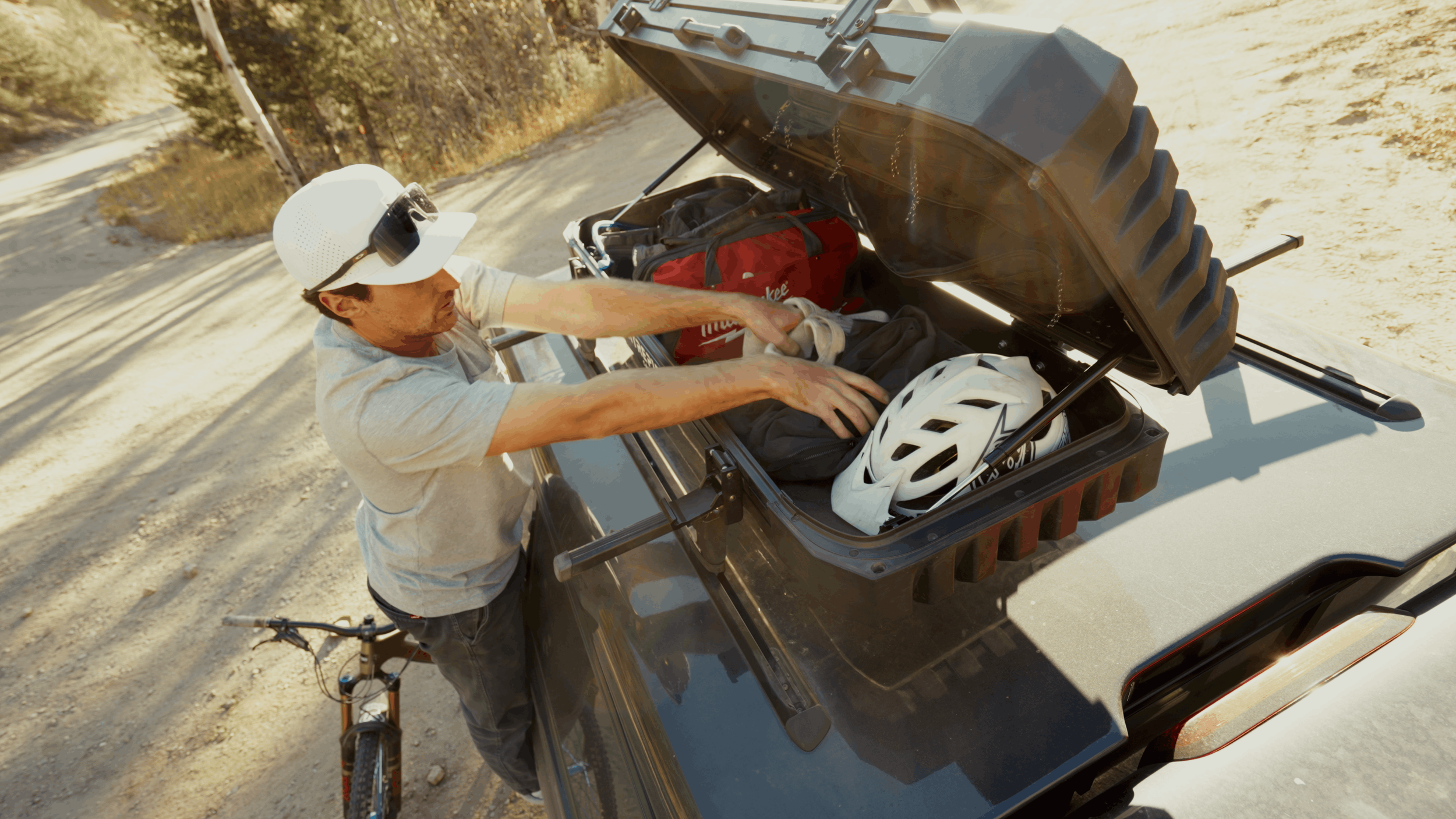
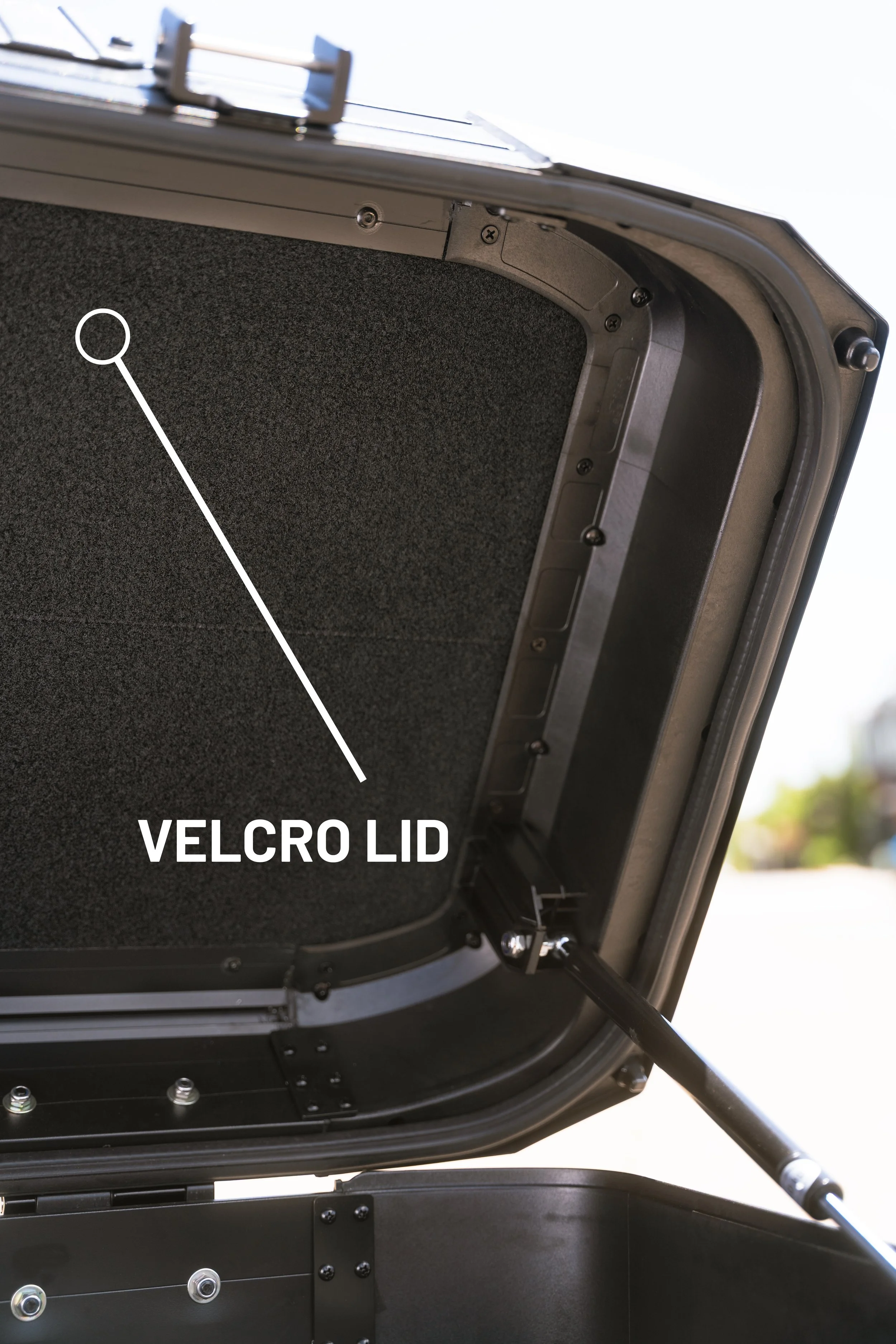
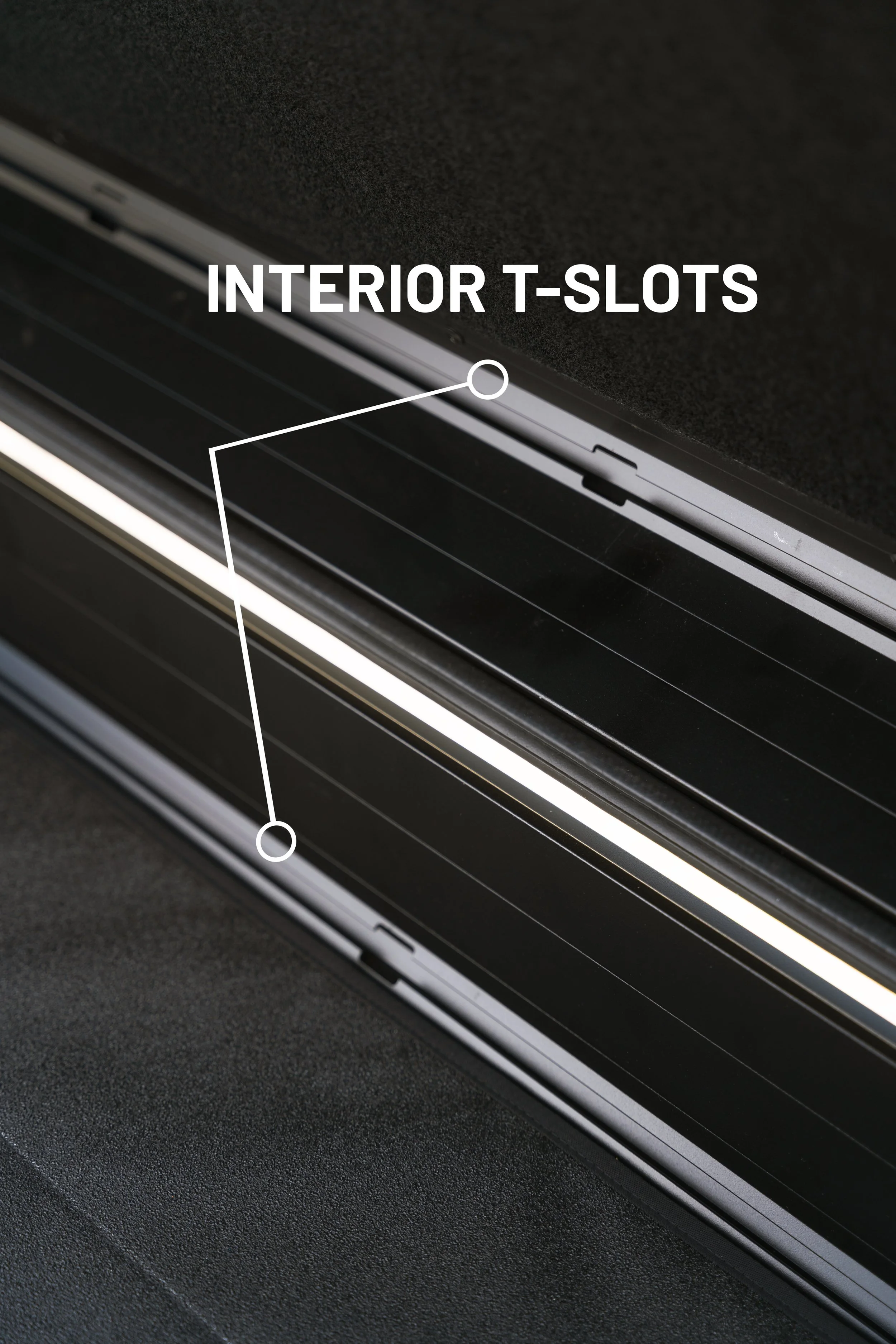
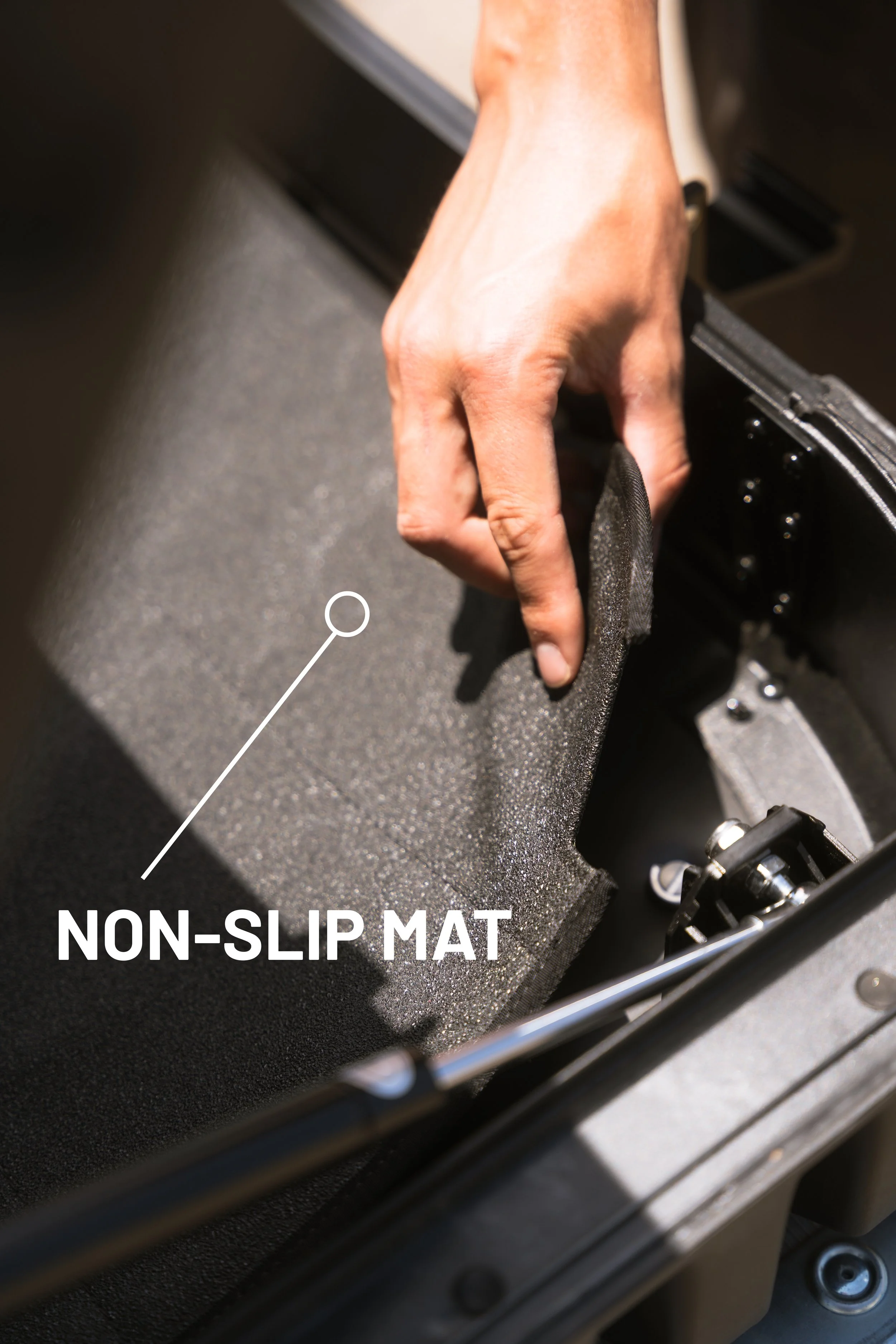
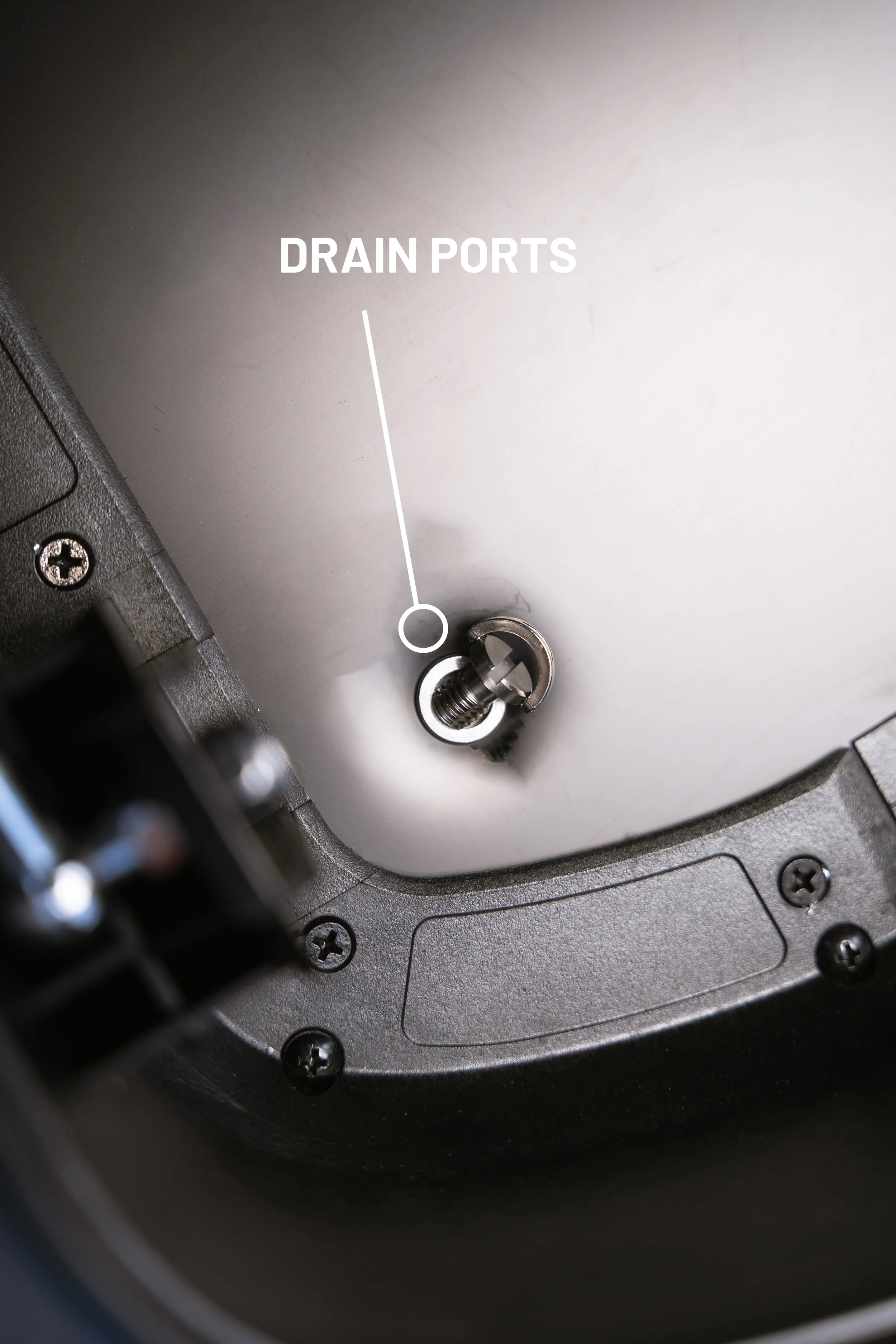
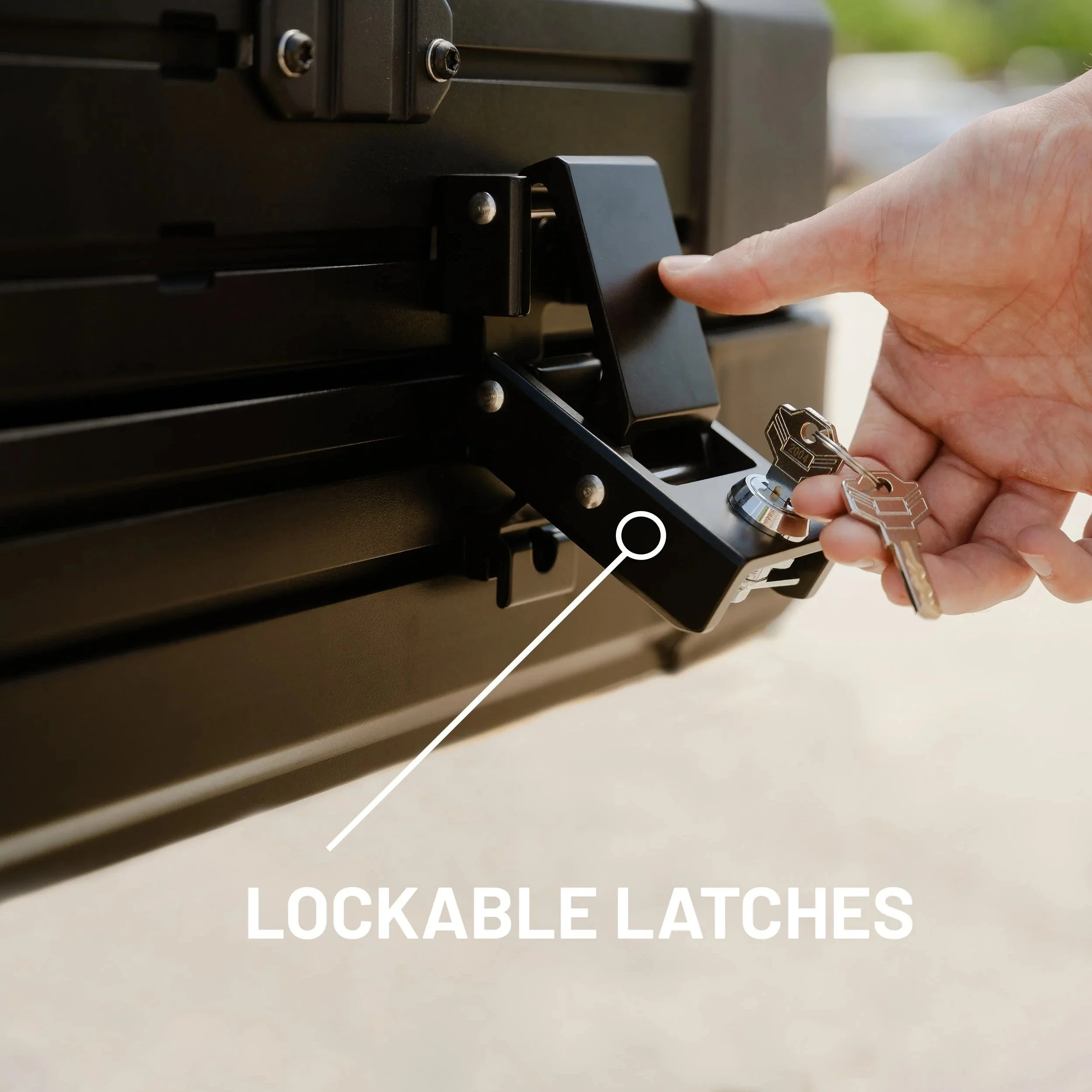
Beyond the shell itself, the boxes are weather sealed to keep gear dry through rain, snow, and dust. They lock, so gear left at a trailhead stays safe from prying eyes. The rounded, aerodynamic shape cuts down on wind noise and drag, which helps a bit with fuel economy on longer trips. Inside, tie-down points and a rubberized material keep contents from turning into a rattling mess once the road gets rough, and the mounting hardware is rated to hold firm at highway speeds. In addition, these cases are super modular, featuring integrated T-Track on the interior and exterior, so you can mount virtually anything anywhere.
Some Tradeoffs
Weight is the main downside of these cases (64 lbs for the 190L). Aluminum is more durable than plastic, but it's also heavier, so if a roof rack is already carrying a rooftop tent or other gear, it's worth running the numbers on dynamic weight rating before adding an aluminum box on top of everything else. This is exactly the kind of calculation we walk through with clients during a build consult.
Price is the next consideration. Purpose-built, rugged gear rarely comes cheap, and this isn't a budget roof box. For anyone who mostly sticks to maintained roads, this may be overkill. Coming in at $1,199 for the 190L, it is a substantial investment.
Installation is worth mentioning too. A mounting system rated for highway speeds usually means a more involved install than a basic clip-on box, which is exactly why having someone experienced handle the mounting matters. A roof box is only as reliable as the rack and hardware holding it in place.
Who Should Buy One
This isn't a box for someone who wants a little extra trunk space for an annual beach trip. It's built for people who regularly leave pavement: overlanders on multi-day trips, hunters hauling gear into the backcountry, anglers who need dry and secure storage, and skiers who want their gear protected from weather.
If that sounds like your situation, the combination of aluminum durability, weatherproofing, and a mounting system built for off-road terrain makes a strong case for the ITX line. If most of your driving happens on maintained roads and all you really need is a bit more cargo space, a lighter and less expensive plastic roof box like the ones we offer from Thule will probably do the job just as well.
Final Verdict
The Intrepid Camp Gear ITX cargo box is a rugged, aluminum, off-road-ready storage solution built for people driving on rough terrain. It's not the box for everyone, and the weight and price reflect that it's built for a specific kind of user, but for overlanders and backcountry travelers who need gear storage, this is a well-built option worth serious consideration.
We sell and install the Intrepid Camp Gear ITX line and are proud dealers of their gear. If you're not sure which size fits your rack or your vehicle, get in touch and we'll help you figure out what makes sense.
*All photos in this blog are courtesy of Intrepid Camp Gear
